🚽 What Is Toilet Paper?Toilet paper is a soft tissue paper primarily used for personal hygiene after defecation or urination. It's designed to be disposable, flushable, and to break down easily in water.

Toilet paper, at its core, is a specially designed soft paper product intended for cleaning oneself after using the toilet. It's made to be flushable and biodegradable, meaning it should break down in water quickly to avoid clogging plumbing systems. Despite its apparent simplicity, the world of toilet paper is surprisingly complex and varies greatly depending on culture, manufacturing processes, environmental concerns, and even user preferences.
|
Materials and CompositionThe paper used in toilet rolls typically comes from two main sources: virgin pulp or recycled content. Virgin pulp is sourced from trees — usually softwood or hardwood — and processed in paper mills to create a soft, absorbent texture. Hardwood gives smoothness, while softwood contributes to strength. Recycled toilet paper, on the other hand, is produced by reprocessing used paper (such as office paper or newspaper) through de-inking and cleaning before being re-pulped. Increasingly, bamboo has become a popular alternative due to its fast growth rate, low need for chemicals, and reduced environmental footprint.
The texture, softness, and strength of toilet paper depend heavily on how the fibers are processed. Most manufacturers use mechanical and chemical treatments to achieve a balance of softness and durability. The paper is then creped — a process that gives it flexibility and softness by scraping the paper off a heated drying cylinder. |
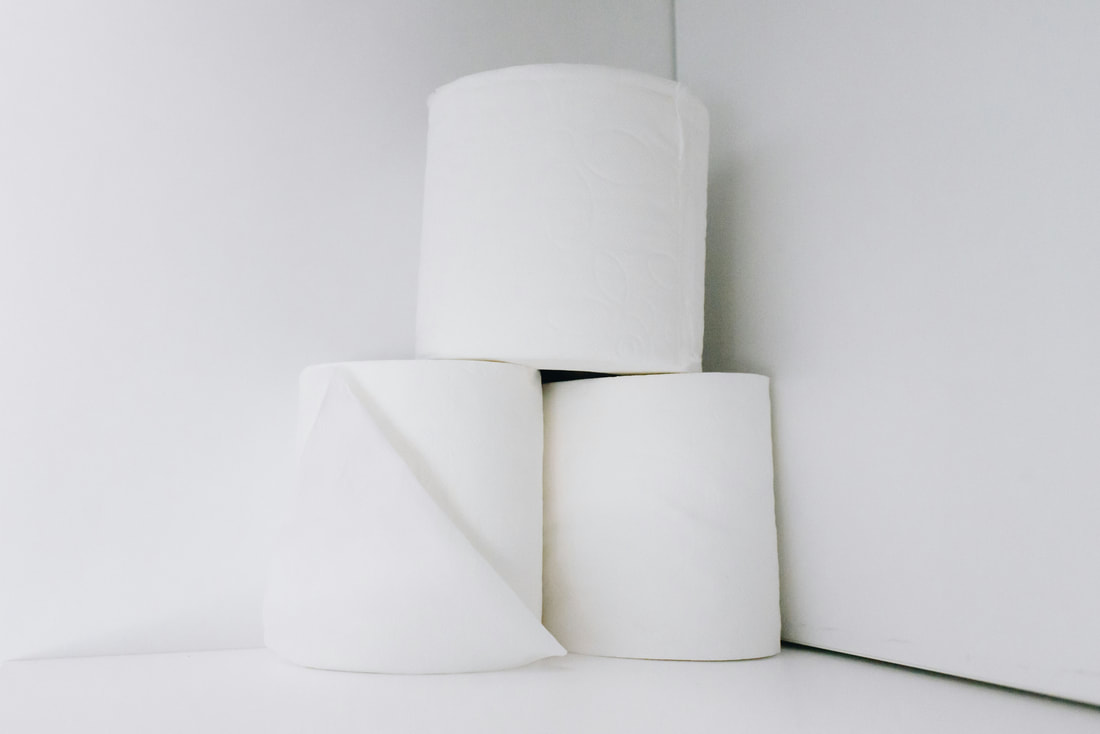
Toilet Paper ConstructionToilet paper comes in varying thicknesses or "plies." A ply is simply a layer of paper. A single-ply toilet paper has one layer and is thinner, but typically dissolves faster. Two-ply is the standard for many households, combining comfort with strength. Some luxury products may be three or even four-ply, offering a plush feel but often at the cost of slower breakdown and potential plumbing problems.
The dimensions of a toilet roll vary slightly depending on region or manufacturer, but they tend to follow rough industry standards. A typical roll will be around four inches wide, with a similar length for individual sheets. The number of sheets per roll can vary significantly, ranging from a couple hundred to over a thousand, especially in jumbo rolls designed for public or commercial settings.
Cultural and Regional DifferencesGlobally, the use of toilet paper is not universal. In much of Asia, the Middle East, and parts of Africa, water-based cleaning methods are more common, whether through bidets, handheld sprayers, or simple water and soap. In contrast, most Western countries, especially North America and Europe, rely heavily on toilet paper.
Interestingly, in the United States and Canada, toilet paper use is among the highest in the world — with the average person consuming dozens of rolls each year. In many European countries, however, bidets supplement toilet paper, reducing consumption.
Environmental ImpactThe environmental footprint of toilet paper is significant. Virgin paper production uses large amounts of water, energy, and chemicals. It also contributes to deforestation when not sustainably sourced. In response, there’s a growing market for recycled and alternative-material toilet papers, such as bamboo, which offer similar performance with reduced ecological harm.
Toilet paper packaging is another concern. Many conventional rolls are wrapped in plastic film, which is not biodegradable. Some companies offer paper-wrapped rolls or bulk-buy options with minimal packaging to reduce waste.
A key environmental consideration is whether toilet paper is septic-safe. Not all toilet paper breaks down at the same rate. Thicker, multi-ply varieties can accumulate in septic tanks or cause clogs in low-flow plumbing systems. Septic-safe paper is engineered to dissolve more quickly and is often recommended for homes with older pipes or septic tanks.